
Two years ago I looked around my apartment and realized I was storing a small warehouse of things I never touched. So I started selling. Slowly, steadily, one listing at a time.
Since then I’ve sold a little over $1,900 of my own clutter. I’ve also relisted, discounted, and eventually donated a whole category of stuff that the internet simply did not want at any price.
Nobody told me in advance which was which. So here’s the field report.
What sold fast, usually within days
Anything with a plug and a brand name. A standing mixer, an old tablet, a monitor, a coffee grinder. Working electronics from known brands were the closest thing to guaranteed money. The tablet had a cracked corner and still sold in two days because I photographed the crack honestly and priced it like it existed.
Furniture that fits in a car. Side tables, bookshelves, a desk chair. Small furniture moves fast because the buyer doesn’t need to rent a truck or recruit a cousin. My kitchen table took six weeks. The little nightstand took four hours.
Kids’ stuff in good shape. Sold for my sister, and it was a revelation. Strollers, high chairs, bikes. Parents know these things cost a fortune new and get outgrown in a season. Fast, polite buyers who show up on time. The dream.
Tools. A drill, a sander, a socket set from an ambitious phase. Tools hold value like almost nothing else in a home. If I could only sell one category forever, it would be tools.
What sat for months, or forever
Clothes, with one exception. Regular used clothes are nearly worthless online. The effort of photographing, measuring, and shipping a $6 shirt breaks the spirit. The exception is anything with a strong brand and a niche following. One winter jacket outsold thirty other clothing items combined.
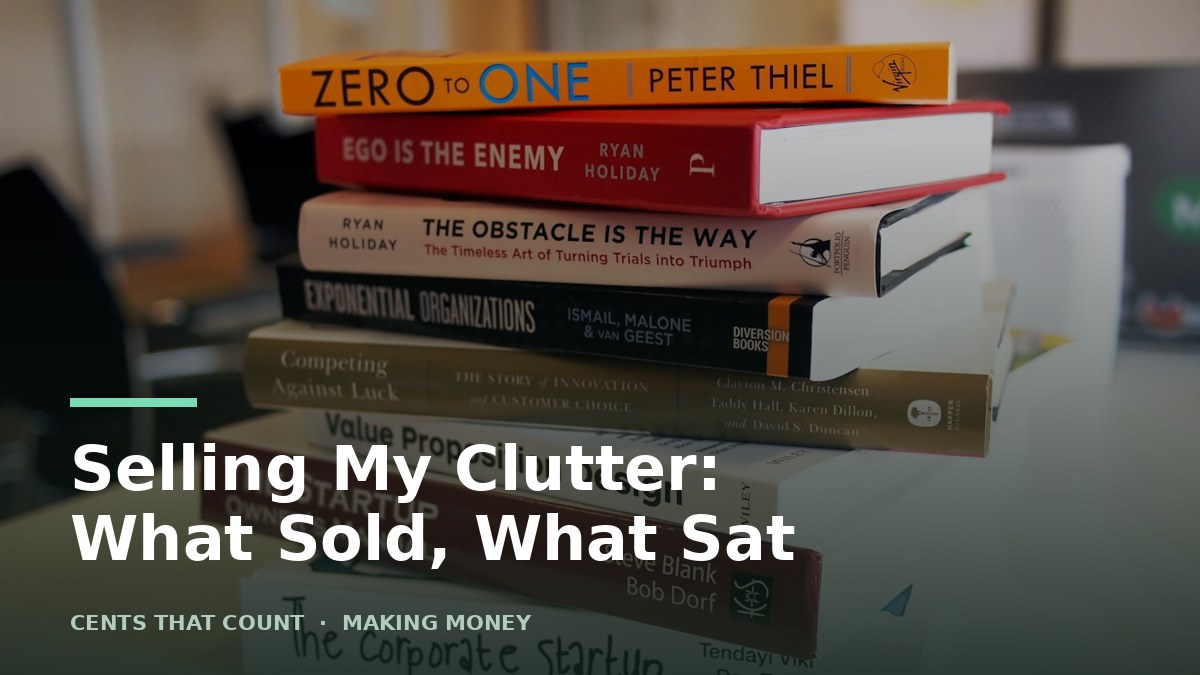
Books. It hurts to type this. Boxes of good books, and the offers came in at fifty cents a piece when they came at all. Textbooks and certain niche titles do fine. Everything else is a donation with extra steps.
Big furniture. The couch saga lasted eleven weeks, four no shows, and two hagglers who wanted 70 percent off. Big items attract the least serious buyers in the entire marketplace. Price them low from day one or brace yourself.
Anything “collectible” that isn’t actually rare. The mugs, the figurines, the commemorative whatever. It turns out most collectibles were manufactured in the millions specifically to be collected, which is exactly why nobody’s searching for them now.
The three rules that doubled my results
Honest photos beat pretty photos. Shoot the flaw up close. It builds trust, kills the haggling ammunition, and prevents the return conversation.
Price to move, not to win. I check what things actually sold for, not what other hopeful people are asking. Then I price a notch under. My stuff sells while their listings age like milk.
The two relist rule. Every item gets one original listing and two relists, each a bit cheaper. Still here after that? Donation box. Storage is not free. It’s paid in apartment space and mental clutter, and that bill arrives daily.
Was it worth it?
$1,900 says yes, but the number undersells it. The habit changed how I buy. Every purchase now gets the quiet question, how will this sell someday? It’s remarkable how many things fail that question in the store, before they ever reach my house. Turns out the best clutter to sell is the clutter you never bought. It fits nicely with the list of things I stopped buying, which started the same year and for the same reason.

Amelia writes Cents That Count from her kitchen table. She has quit four budgeting apps, run one no spend month, tracked every small purchase for 60 days, and still buys coffee. Everything here is tested on a real, ordinary budget first.
More about this blog →